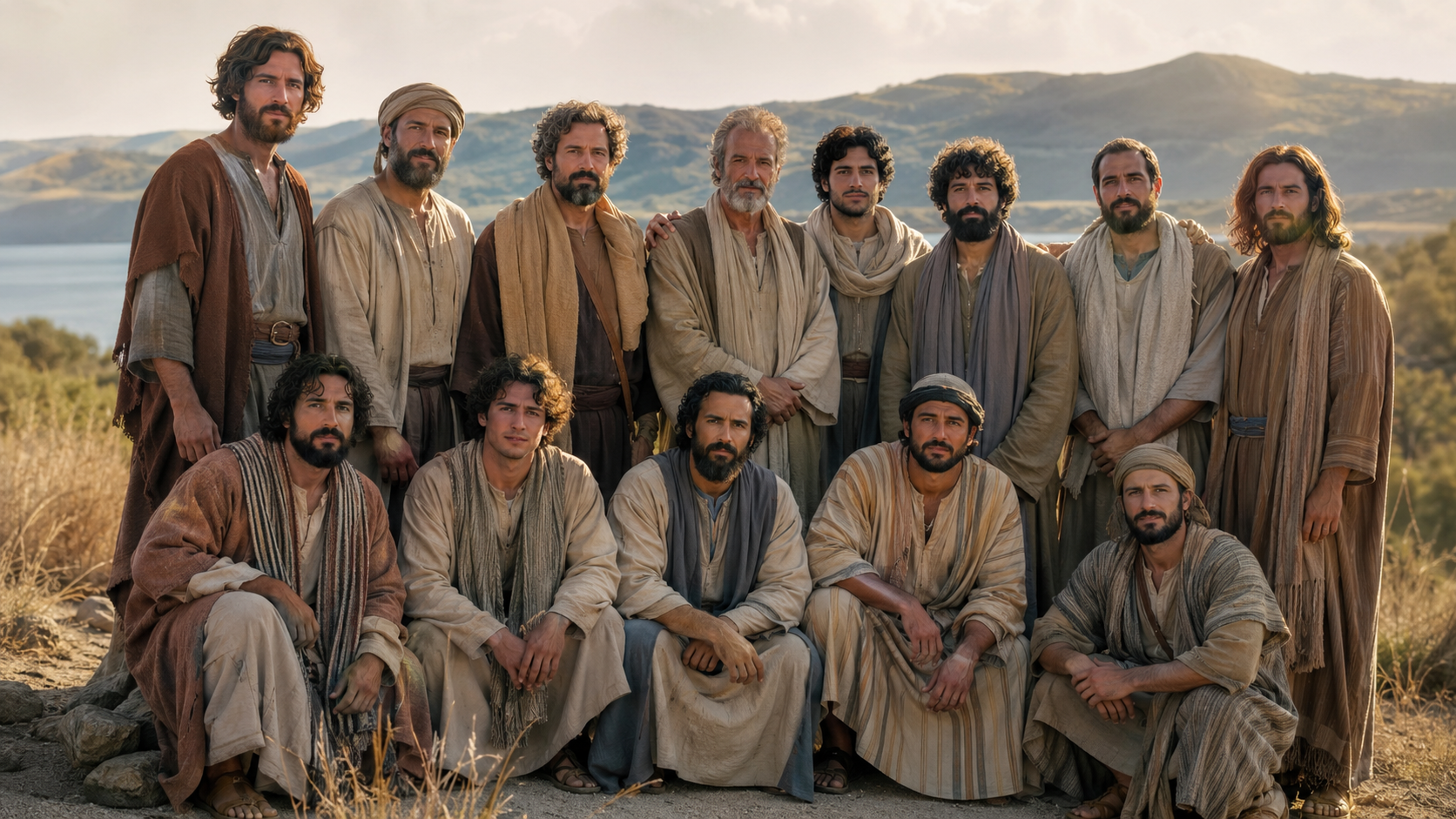
I was recently asked if there are apostles in the church today. Here was my answer.
There are several reasons, from Scripture and history, why there are no longer apostles in the church today. I’m sure that some of these reasons you already know.
- Qualifications of an apostle
- Calling of an apostle
- Defense of an apostle
- Giftings of an apostle
- How the term apostle is used
Apostles of Christ were specifically chosen by Jesus during his earthly ministry, and the special calling into apostleship of Paul was a unique situation. Persons who were apostles had specific qualifications. They were personally commissioned by Jesus, had eyewitness testimony to His resurrection, had authoritative knowledge of His teaching, apostolic signs, foundational authority, and proven faithfulness under suffering. Just because a person took part in Jesus’ earthly ministry did not make them an apostle. There were many people in the upper room at Pentecost who had seen Jesus, including his resurrection, but they were not apostles. How much more, then, is a person not an apostle who does not have these marks of authority.
Apostles were called by the Lord into their role, and none who were referred to as apostles apart from the 12 were apostles in the same sense as the 12. Though some, as you pointed out, were called apostles, they were not consulted during church controversy in the book of Acts; rather, the apostles had issues brought before them, along with the elders of the Jerusalem church, to settle certain issues.
Paul defended his apostleship as being called directly by Jesus as an apostle, saying that the marks of a true apostle were in him.
It is true that certain people in the New Testament were called apostles who did not meet the qualifications of the 12, such as Barnabas, James, and others. However, they were called apostles in a different sense from the original 12. None of them possessed apostolic authority that marked the original 12 and Paul. In addition, none of the church fathers who lived after the time of the apostles were called apostles. They held other lofty titles but not that of apostle. Additionally, there were women present in the upper room who partook in the ministry of Jesus and saw his resurrection, but none of them were called to be apostles. Apostleship was a unique calling of the 12, and only men were chosen.
When someone today calls themself an apostle, they are claiming special standing and authority for themselves. If not, then why call themselves by that title? Missionaries might exercise some of the gifting of apostles, but are not apostles in the same sense. I am a commissioned missionary. But I am not an apostle. Missionaries function in an apostolic sense, but do not carry the authority or signs of an apostle in the biblical sense.
Paul tells us the foundation of the church is the prophets and apostles. Once a foundation is laid, it does not need to be laid again. There are no more prophets. There are no more apostles. Those who claim apostleship are claiming an authority for themselves without biblical standing. One can teach but not be a pastor. One can share their faith without being an evangelist. One can pray and see someone healed, but not be a miracle worker. One can declare biblical truth to political and other leaders, but not be a prophet. One can organize things in the church, but not be an administrator. Likewise, one can perform certain apostolic functions, like church planting, but not be an apostle. The claim, therefore, of apostleship is without standing.